- Helsinki trial underway: Eagle S tanker crew accused of severing five subsea cables.
- NATO on alert: Incident triggered regional military readiness after Christmas Day disruption.
- Global scale: Subsea cables carry 99% of the world’s data and support $50 trillion in annual transactions.
- Industry warning: IMCA says ageing fleets, skills shortages, and outdated regulations risk leaving nations exposed.
- Urgency: Calls for “urgent reform of regulatory frameworks to enable faster response times to unexpected outages.”
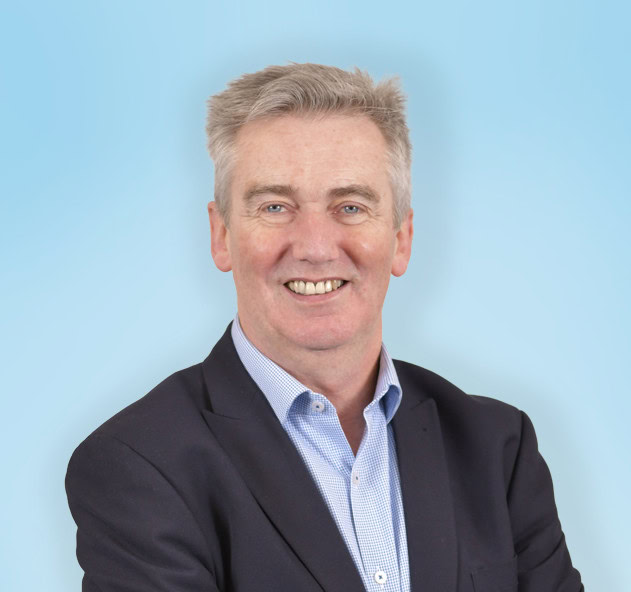
- IMCA Chief Executive Iain Grainger is available for interviews.
(London, 28 August 2025) – The current trial in Helsinki of the Eagle S tanker’s captain and officers, accused of dragging its anchor for 90 kilometres and severing five subsea cables between Finland and Estonia, has highlighted the fragility of infrastructure that carries 99 per cent of the world’s data and growing volumes of renewable power. NATO forces went on high alert after the incident, underscoring the wider security implications.
The International Marine Contractors Association (IMCA) warns that the case is not just a European problem but illustrates a global security and resilience risk.
Damage to subsea cables, whether accidental, negligent, or deliberate, can devastate financial markets, energy flows, and digital communications. Globally, cable networks facilitate an estimated $50 trillion in annual financial transactions.
Iain Grainger, Chief Executive of IMCA, said: “The current Baltic trial shows how cable failures can cripple entire economies. Incidents like this underline that subsea cables are the invisible lifelines of the modern world. Without decisive action on repair capacity, workforce resilience, and urgent reform of regulatory frameworks to enable faster response times to unexpected outages, every region remains vulnerable.”
Grainger added, “The damage is not just counted in repair bills. It is measured in lost productivity, disrupted trade, and reduced resilience. Protecting cables must now be seen as a strategic economic priority worldwide.”
ENDS
Mainstream Version